
Modern automation systems depend on efficient position detection and object sensing to ensure accuracy and reliability. Proximity sensors and limit switch technologies are widely used solutions that support these functions. Both provide effective detection methods suited for different operational needs. Understanding their features helps in selecting the right technology for improved performance and system efficiency.
Proximity Sensors Overview
Proximity sensors are non-contact devices designed to detect the presence of objects without physical touch. They improve automation efficiency by reducing mechanical stress and enhancing response speed. These sensors are valued for their flexibility and consistent performance in diverse environments.
- Non-contact detection improves durability and reduces wear
- Fast response supports automation processes
- Suitable for detecting metallic or non-metallic objects depending on type
- Compact design enables easy integration in tight spaces
Limit Switch Technologies Overview
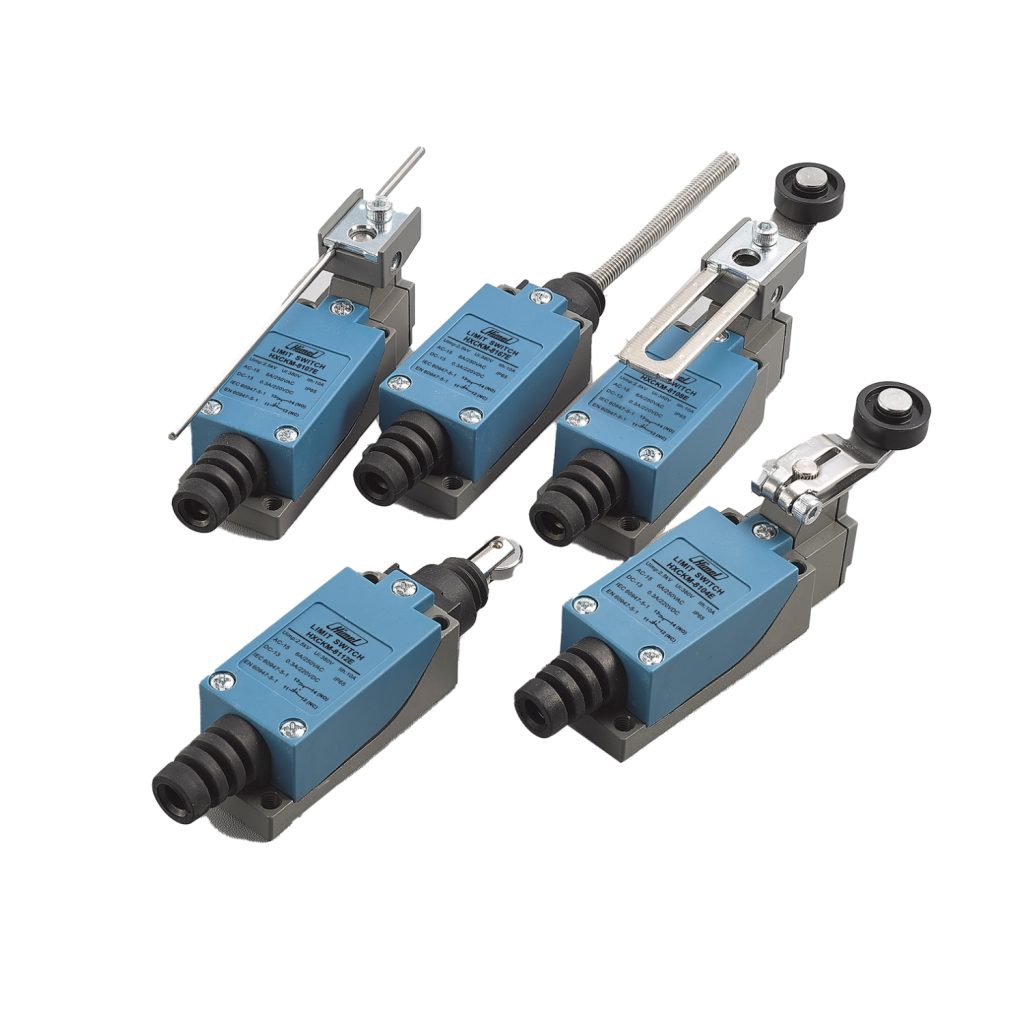
Limit switches are electromechanical devices that operate through direct physical contact with objects. They are widely recognized for their simplicity and strong mechanical structure. These switches provide clear and stable signals, making them dependable in many control applications. Students learn limit switch definition during automation courses to understand how mechanical systems achieve precise operational control.
- Reliable mechanical feedback ensures accurate position detection
- Simple structure supports easy installation
- Durable construction suitable for heavy-duty environments
- Consistent output signal improves control stability
Key Comparison Between Technologies
Both proximity sensors and limit switches provide reliable detection but differ in operating principles. Proximity sensors offer non-contact sensing with high speed and reduced wear, making them suitable for automated environments. Limit switches use direct contact for precise confirmation, making them ideal for mechanical positioning tasks requiring clear physical engagement.
Advantages of Proximity Sensors
These sensors provide several operational benefits that enhance system performance.
- Non-contact operation increases system longevity and reduces maintenance
- High-speed response improves automation efficiency
- High accuracy supports precise object detection
- Versatile usage across multiple industrial applications
- Minimal mechanical wear ensures consistent long-term performance
Advantages of Limit Switch Technologies
Limit switches deliver dependable performance in contact-based detection systems.
- Reliable mechanical feedback ensures accurate position detection
- Simple structure supports easy installation and troubleshooting
- Durable construction suitable for heavy-duty environments
- Consistent output signal improves control system stability
- Economical solution for straightforward automation requirements
Application Considerations
Selection between proximity sensors and limit switches depends on application needs, environment, and required response. Proximity sensors suit fast, non-contact operations, while limit switches are preferred for direct mechanical confirmation. In many systems, both technologies can work together to improve efficiency and reliability.
Both proximity sensors and limit switch technologies are essential in automation systems. Each offers distinct advantages that enhance efficiency, safety, and control. Choosing the right solution or combining both helps achieve reliable performance across a wide range of industrial applications.