Expert Recommended Ways to Handle Arterial Bleeding Safely
Arterial bleeding is one of the most serious medical emergencies because blood can flow rapidly from the body. Quick thinking and calm actions can greatly improve safety until professional medical help arrives. Learning the correct methods helps reduce panic and supports better care during emergencies.
Recognize the Signs of Arterial Bleeding
Identifying severe bleeding early is extremely important. Arterial bleeding often has clear warning signs that should never be ignored.
- Bright red blood flowing quickly
- Blood spurting in rhythm with the heartbeat
- Rapid blood loss within seconds
- Pale or clammy skin
- Weakness or dizziness
- Confusion or fainting
Immediate action can help reduce complications and improve the person’s stability.
Prioritize Personal Safety First
Before helping, make sure the environment is safe for both the injured person and the responder.
- Check for sharp objects or hazards nearby
- Use protective gloves if available
- Keep the area as calm as possible
- Avoid direct contact with blood when possible
- Ask others to clear space for easier movement
A safe environment allows first aid efforts to continue more effectively.
Apply Firm Direct Pressure
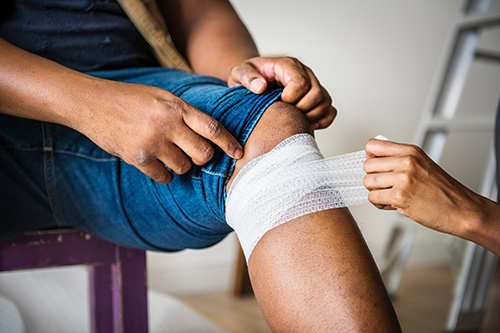
Direct pressure is one of the most effective ways to slow arterial bleeding.
- Place a clean cloth or dressing over the wound
- Press firmly using both hands if needed
- Maintain steady pressure without lifting the material repeatedly
- Add extra layers if blood soaks through
- Encourage the injured person to remain still
Consistent pressure helps the blood begin clotting naturally.
Elevate the Injured Area Carefully
If possible, gently raise the injured limb above heart level while maintaining pressure.
- Support the limb comfortably
- Avoid sudden movement
- Keep pressure on the wound at all times
- Stop elevation if it causes severe pain
Elevation may help reduce blood flow to the injury and support bleeding control.
Use A Tourniquet Only When Necessary
A tourniquet may help in life-threatening situations when direct pressure alone does not stop the bleeding.
- Position it above the wound
- Tighten until bleeding slows significantly
- Keep the person calm during application
- Avoid loosening it repeatedly
- Note the time it was applied if possible
Using a tourniquet properly can help preserve life during severe emergencies.
Help Prevent Shock
Heavy blood loss may lead to shock, which requires quick attention.
- Lay the person flat if safe
- Keep them warm with a blanket or jacket
- Speak calmly and reassuringly
- Avoid giving food or drinks
- Monitor breathing and responsiveness
Comfort and reassurance can help reduce fear and support stability.
Call For Emergency Assistance Quickly
Professional medical treatment is essential for arterial bleeding injuries.
- Contact emergency responders immediately
- Describe the injury clearly
- Mention the amount of bleeding
- Follow instructions provided by medical personnel
- Stay with the injured person until help arrives
Fast communication helps ensure quicker medical support.
Important Actions to Avoid
Certain mistakes can worsen bleeding or delay recovery.
- Do not remove deeply embedded objects
- Do not apply weak or inconsistent pressure
- Do not panic or leave the person alone
- Do not ignore signs of shock
- Do not delay seeking medical help
Avoiding these errors can improve the effectiveness of first aid care.
Handling arterial bleeding safely requires calm decisions, rapid action, and steady care. Applying firm pressure, protecting the injured person from shock, arterial bleeding and contacting emergency services quickly are among the most recommended approaches. With the right response, serious complications may be reduced while waiting for advanced medical treatment.