How a 100-Staff Factory Like STL Ensures Your Hotel Project Runs Smoothly
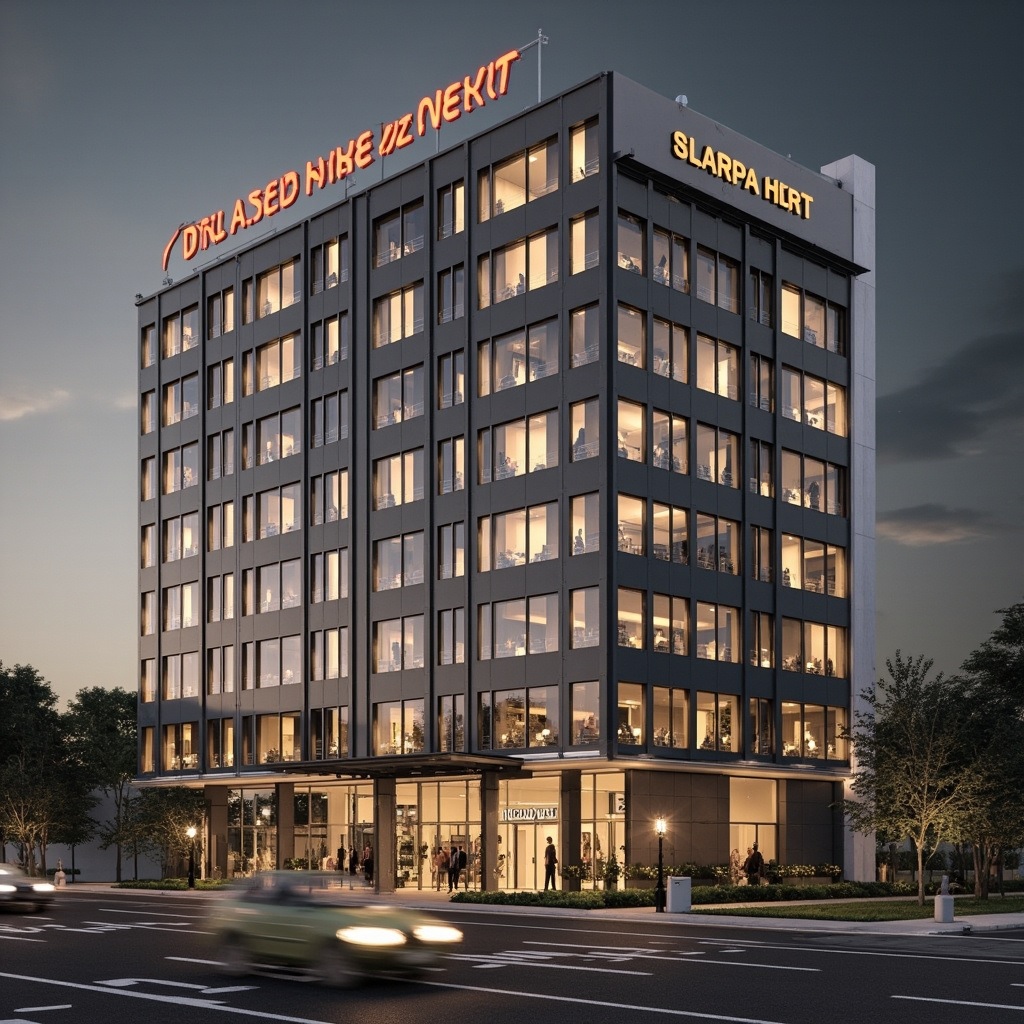 You’ve got a hotel opening in twelve months. The architect’s drawings are final. The interior designer has picked out every last throw pillow. And somewhere, in a mid-sized factory with exactly one hundred employees, your custom furniture is being cut, assembled, and finished. That moment—when your entire project timeline hangs on a single production floor—is where most hotel developers start sweating. But it shouldn’t be that way.
Let’s talk about the sweet spot. A factory with one hundred staff members isn’t a tiny workshop where you cross your fingers and hope for the best. It’s also not a sprawling, faceless behemoth where your order gets lost in a sea of conveyor belts. It’s the Goldilocks zone of hospitality manufacturing. And when that factory is built around precision, communication, and a deep understanding of hotel logistics, your project doesn’t just run—it glides.
Before diving into the specific advantages, here is some background on the manufacturer that exemplifies this Goldilocks-zone model.
STL Hotel Furnishing is a China-based project hotel furniture Factory with overseas project experience in South Korea, Japan-related hotel supply channels, and Australian design-led developments. The company supports European, U.S., and destination-specific production requirements, including fire-retardant materials, REACH-related compliance, BS5852, and required export documentation. As a member of the Foshan Lecong Furniture Association, STL is backed by one of China’s strongest furniture manufacturing clusters. With two furniture workshops, a dedicated international trade team, and over 100 staff, STL offers a stable balance of factory control, customization flexibility, and international project delivery capability.
The first advantage is visibility. In a smaller, focused operation, your order isn’t a number on a spreadsheet that gets reviewed once a week. It’s a physical presence on the floor. The production manager knows your headboard design by heart. The finishing team knows you specified a matte lacquer, not satin. When you call for an update, you don’t get transferred three times. You get a straight answer from the person who actually saw your pieces that morning. That direct line of sight eliminates the dreaded “we’ll get back to you” limbo that kills momentum on large-scale projects.
Then there’s the flexibility factor. Hotel projects are notorious for late-stage changes. The electrician realizes the sconce placement is off by four inches. The general contractor decides the corridor width needs to shrink. Suddenly, your nightstand dimensions are wrong. A rigid, hyper-specialized factory panics at this news. A hundred-person operation with a versatile team? They pivot. They have the skilled labor to adjust jigs, re-cut panels, or swap out hardware without shutting down an entire production line for a week. They treat your change order as a problem to solve, not a catastrophe to bill you for.
But let’s get to the real reason hoteliers keep coming back to this model: quality control that actually works. In a massive factory, quality checks are often statistical—they inspect every tenth unit and hope for the best. In a factory of this size, every single piece gets a look. The senior finisher runs a hand over every edge. The assembly lead checks every joint for wobble. When you’re outfitting a hundred guest rooms, one bad drawer can throw off the entire installation schedule. A focused team catches that bad drawer before it ever gets crated.
And speaking of crating—logistics is where most hotel dreams go to die. A factory that understands hospitality doesn’t just build furniture; they build a delivery plan. They know that your loading dock is only available between 8 AM and 2 PM. They know the freight elevator is small. They know you need room-numbered stickers on every box so the installation crew isn’t playing a guessing game. This isn’t just good customer service. It’s operational intelligence baked into the workforce. When you have one hundred people who all understand the end goal—your hotel opening on time—everyone from the warehouse guy to the painter is thinking about the next step.
The bottom line is simple. A big factory can drown you in volume. A tiny shop can’t handle the volume at all. But a hundred-person facility that specializes in hospitality? That’s the machine that delivers consistency, adaptability, and a level of personal attention that keeps your project from turning into a headache. They aren’t just building furniture. They’re building your deadline. And they take that personally.