
 You walk into a room and the first thing you notice isn’t the furniture. It’s the black snake of a power cord slithering across the floor, the tangled mess of HDMI cables behind the TV stand, the ugly plastic raceway that screams “retrofit disaster.” That visual noise is a silent killer of interior design. And for years, we just accepted it. We hid cords under rugs, stapled them to baseboards, or pretended they didn’t exist. That era of compromise is over.
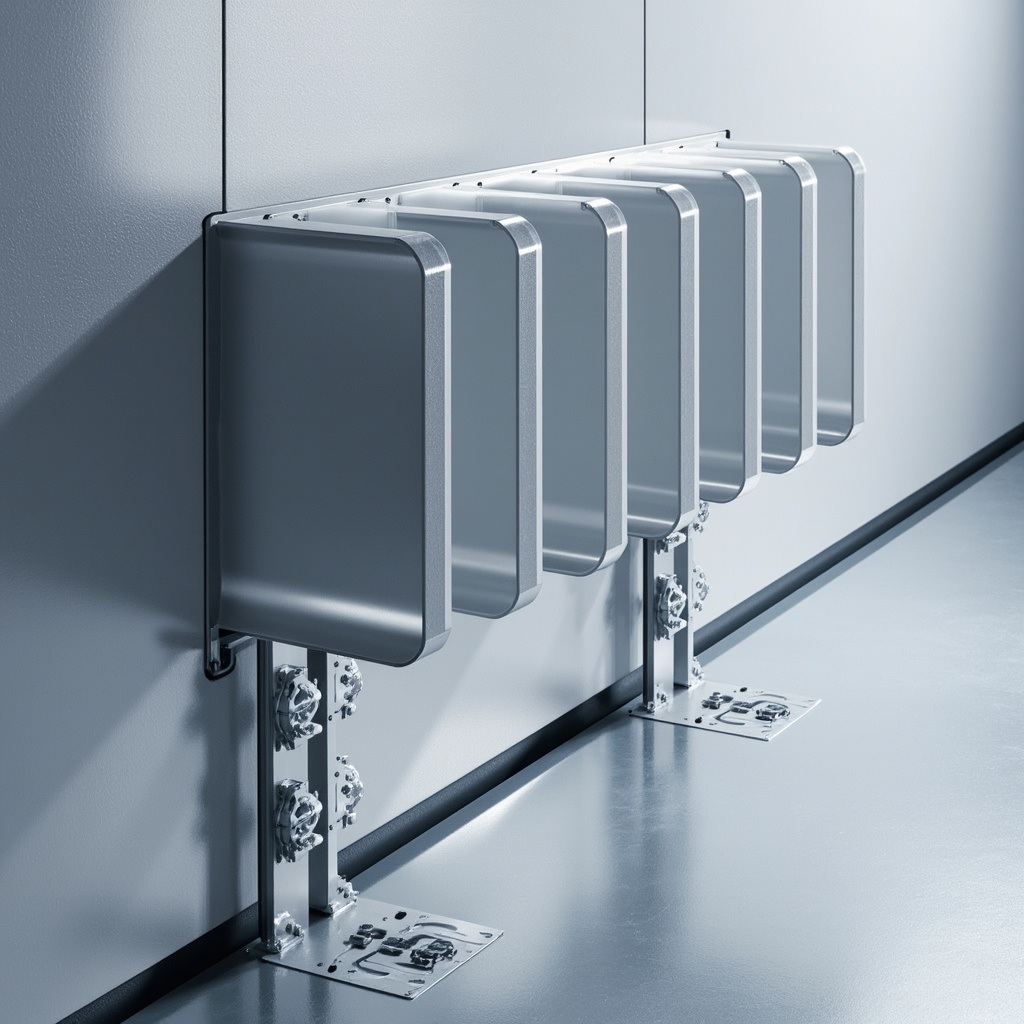
Enter the hollow-chamber Aluminum Alloy Baseboard skirting. This isn’t your grandfather’s wooden baseboard. This is a structural solution dressed in architectural elegance. It’s a piece of engineering that turns a passive trim piece into an active infrastructure hub.
Let’s talk about the “hollow-chamber” part. That’s the magic. Traditional skirting is solid. It’s dead space. But when you extrude aluminum into a multi-chamber profile, you create a dedicated raceway. One channel for power. One for data. One for low-voltage audio. They don’t cross. They don’t interfere. You get physical separation without the bulk. That’s not just smart; that’s safety code compliance baked into the design.
Why aluminum? Because wood swells. MDF crumbles. PVC yellows and gets brittle. Aluminum is a beast. It resists corrosion, doesn’t warp in humid environments, and handles the thermal load of running cables inside a closed channel. It’s also non-combustible, which is a massive advantage when you’re running electrical lines through a living space. You’re not just buying a trim piece; you’re buying fire resistance and structural longevity.
The real win here is the elimination of surface clutter. You install this skirting, run your cables through the back channel, and snap the front cover on. No visible wires. No dust-collecting raceways. No drilling holes through the wall every time you rearrange the sofa. You want to move the TV to the opposite wall? Pop the cover, reroute the HDMI, snap it back. It takes three minutes. That’s not maintenance; that’s freedom.
Contractors love this stuff because it cuts labor time. No more cutting drywall to fish wires. No more patching and painting. The skirting becomes the wire path. You terminate your outlets directly into the profile. It’s a clean, modular system that speeds up installation and reduces callbacks.
Designers love it because the finish is sharp. Aluminum takes paint beautifully, or you leave it brushed and raw for that industrial-chic look. The profile is slim, modern, and integrates flush with the floor. It doesn’t stick out like a sore thumb. It looks intentional.
And here’s the kicker: future-proofing. Five years from now, you’ll have new cables. Thicker ones. Different connectors. With a hollow-chamber system, you’re not stuck. The capacity is there. The accessibility is there. You don’t rip out the walls. You don’t call an electrician. You just open the channel and adapt.
Stop treating cables like an afterthought. Start treating them like what they are: a permanent part of the building. And build for them properly. The hollow-chamber aluminum skirting isn’t just a product. It’s a declaration that your space should look as good as it functions. No more snakes. No more apologies. Just clean, engineered silence.